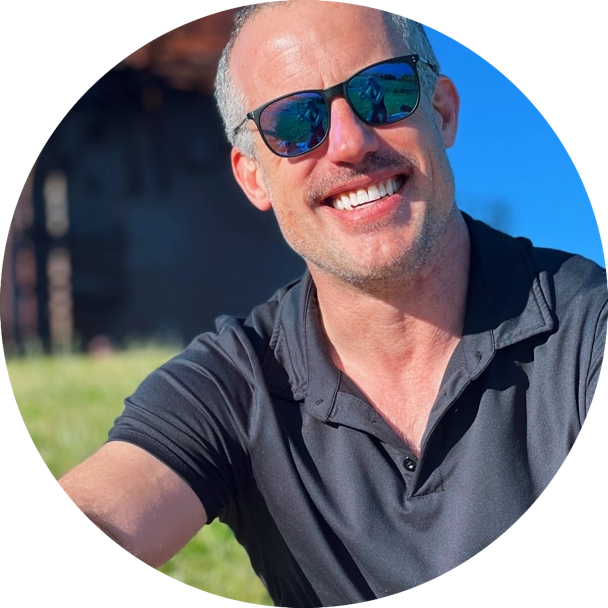
20 years at Google, Apple, Microsoft, Nest, and one small MIT startup. I'm a software staff engineer with deep interests in complex and unusual projects — but more importantly, crafting the teams that build the software. The name of my company might have given that away.
Let's Talk on LinkedIn
If you need a web server or just a Kubernetes cluster built, I can help you find somebody. :)
I like software engineering projects where being a standard software development expert isn't enough and the project is big, ambitious, and meaningful. My work on the iPhone is an easy example, and most of my career has been these kinds of projects.
More important than technical ambition, for me, is the team I care for and the people I work with. If the people and the culture are good, then ambition and achievement flow so easily. What better way for me to work in the environment I like than to build it myself.
I like nebulous problems — and building a well-oiled team that fixes them.
The thing I'm best at isn't any one technology — it's bringing real structure and culture to a team that's growing. Here's what that actually means.
Ambitious, nebulous, and impactful projects don't usually provide a clear path to building them. I bring the technical experience to know what to try, and the humility to let go of ideas that don't work.
Good engineers can work anywhere, but they're hard to pull out of their current job. I look for the ones who are stuck and bored — no remote, no advancement, no challenge — and offer them a role a level or two up, a chance to fully own far more than before, with my expertise backing them up. The ambitious ones jump; the mediocre ones don't. That's also how you find them.
At Microsoft I built an in-production RAG system that cut report-writing time by 87%. I absolutely believe in AI and that it can be a tremendous benefit to software engineering. I've also used millions of tokens and had only a wasted afternoon to show for it. AI is a wonderful tool, but integrating it into your development workflow and culture requires that the tool provide real value to people — and the social finesse to convince them to try it.
Symbiotic. I enjoy and excel at the beginnings — the nebulous and ambitious ideas, the technical problems to solve, building and mentoring the team. Other people want to take over a well-oiled machine and keep it humming for the long term. The trick is to recognize what each person values and excels at, and build the team with a combination that achieves the goal. When your product is stable and your team is confident, your new ambitious engineers take over and I fade out to find my next beginning. Everyone wins.
I've done some fun things. I work best when the direction is known, but the details are not.
What I like to do is called different things in different situations. In all of them, I know how to build the team that will build the thing.
You need to start hiring and start shipping that new product, but you don't have a strong engineering leader yet — and can't wait the four months it takes to hire a good one. I get the engineering org working — structure, hiring, culture, delivery — and get the team shipping, and I know when and how to leverage AI. I stay until the team is running and you've got that full-time engineering leader hired.
When you want a technical voice in the room who's watching whether the team is actually healthy, not just how fast it looks like it's going. Someone who can tell you if an AI story is real or hype before it costs you. I can help you avoid a lot of the engineering potholes.
When the valuation rests on tech you can't really check. I'll tell you whether the code, the team, and the AI are real. I've actually built the things they're claiming to have built — I know what good code is, what good culture is, and I can tell you how much of the demo is real and whether the team will be able to keep delivering.
When you "added AI" and it hasn't moved a single number, and now the board wants to know why the tokens are costing more than the engineers. AI is amazing. And it's a tool. It has to be used for the right thing in the right way. I can line it up with how people really work.
When the hardware and software sides aren't talking — timelines that don't line up, fuzzy interfaces, two teams that don't trust each other's estimates. I'm one of the few people who held senior titles on both the hardware and software ladders at Google, so I've genuinely lived on both sides.
When you've got LabVIEW, Python, PyVISA, SCPI, Datadog, AWS logs, and BigQuery logs — and you still don't have visibility into how your product is performing without manually digging for the data or getting paged. I've worked with the largest set of test results in the world and built visibility systems to catch errors before anyone has to look. Quality is built on having access to good data.
Video coming soon
A few videos for your entertainment.
"The goal is to mentor and build a team that I want to be a part of."
I'm never trying to make you depend on me. I get in deep enough to really understand the people and the code, make the hard calls that need someone senior, and build the team that'll own it after I'm gone. When I leave, nothing breaks. That's how I know it worked.
I started TeamCraft on a simple idea: the hardest technical leadership problems don't always need a full-time hire. They need the right person, in deep enough, for long enough — and then a clean exit.
I could make more money selling bigger teams and fancy consulting packages. I have enough money. I'm in this because I genuinely like the work — building things, building teams, building up the people on them. And here's the not-so-secret part: happier people build better stuff and make the company more money. So let's make some money AND enjoy doing it.
My whole career has been the problems that sit between things — hardware and software, people and systems, engineering and the business. I've been through enough to be fluent in all those languages. So many problems just fade away when I can connect two people who are speaking, living, and experiencing different sides of the same coin.
Based in Denver. Working remotely with companies everywhere.